Trusted Sarasota Tree Care
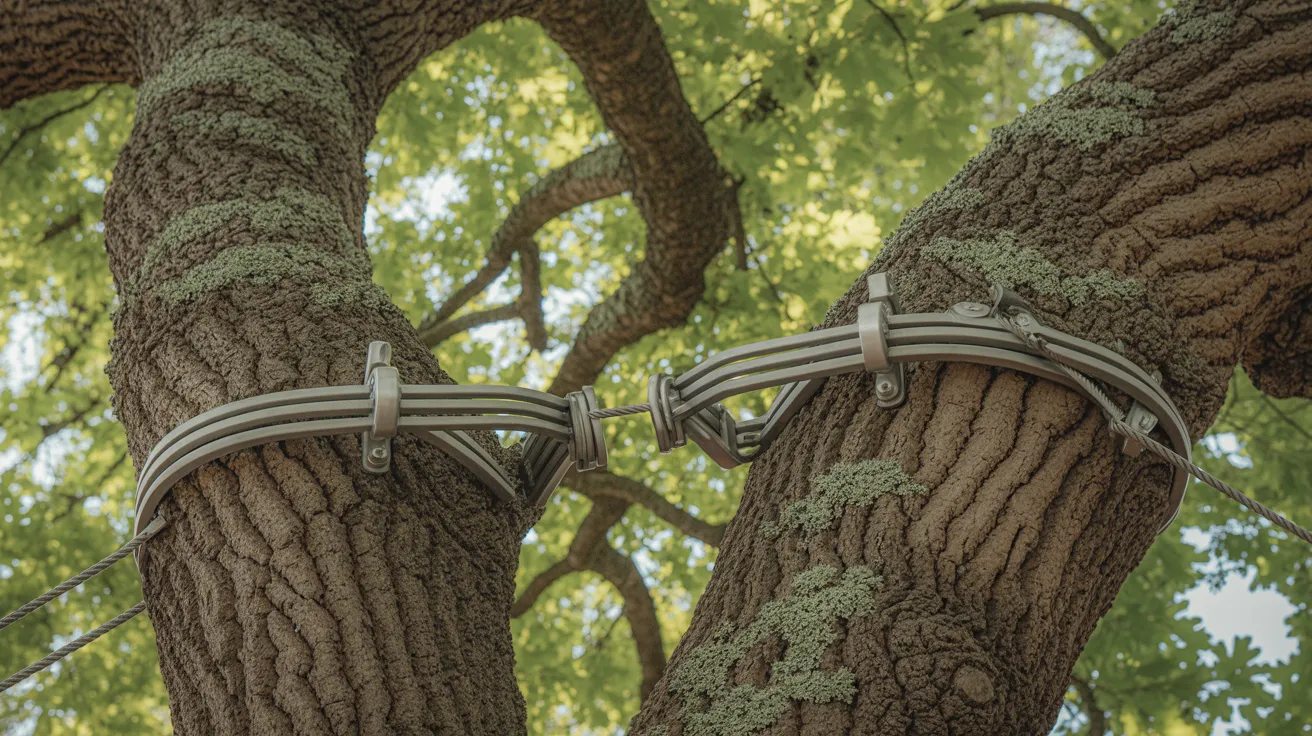
Trust expert Sarasota tree care with ISA Certified Arborists operating under ANSI A300 and Z133 guidelines. We deliver evidence-based pruning services, comprehensive risk assessments (TRAQ), and storm-hardening tailored for local wind conditions, salt exposure, and sandy soils. We carefully check local permits, DBH requirements, coastal setbacks, and HOA rules, while maintaining complete tree-specific insurance coverage including general liability, workers' compensation, and commercial auto. Expect expert defect identification, precise crown reduction, professional cabling, professional tree elimination, and efficient stump grinding—all documented with photographic evidence and specialized instruments. Discover how strategic timing, IPM, and routine care minimize safety concerns and long-term costs.
Main Insights
- Certified ISA Arborists offer coastal-ready tree care adhering to ANSI A300 standards, analyzing exposure to winds, salt content in soil and structural stability for Sarasota trees.
- Full permit processing: handle and confirm ePermits, DBH requirements, coastal setback regulations, homeowner association clearances, and endangered species evaluations; hazard emergency waivers supported and certified with certified arborist documentation.
- Detailed risk evaluations implementing TRAQ standards, including photo documentation, decay testing, and risk matrices to determine necessary safe pruning, cabling, or removal.
- Expert precision pruning and growth control: featuring crown reduction, clearance cuts, and structural pruning to minimize wind resistance, avoid structural problems, and extend the life of your tree's canopy.
- Our certified and insured team members adhere to comprehensive safety standards, including OSHA safety standards, employee coverage, tree-specific insurance coverage, utility marking services, and detailed equipment maintenance logs to ensure maximum safety.
Understanding the Value of Certified Arborists for Sarasota's Coastal Area
Due to Sarasota is located along a hurricane-prone, salt-affected coastline, certified arborists play a vital role in maintaining tree health and reducing risk to property and individuals. You gain from professionals experienced in analyzing soil conditions, wind resistance, and structural soundness using ANSI A300 standards and ISA best practices. They select species with demonstrated salt resistance, guide coastal acclimatization, and confirm root zone aeration in compacted, sandy soils. They also analyze canopy density for storm resistance and identify defects like weak branch unions, bark inclusions, and unstable root systems.
You'll receive data-driven suggestions based on site-specific information: leaf chloride tests, soil salinity measurements, and plant survival data. Certified expertise helps you avoid poor trimming, soil mismanagement, and inappropriate plant choices that elevate failure rates in tropical storms and king tides.
Key Tree Maintenance Services for Safety and Wellness
You safeguard people and property when you implement routine pruning maintenance that enhances tree structure, preserves necessary spacing, and minimizes wind throw potential. You further decrease potential liability by employing formal hazard assessment protocols-ANSI A300/ISA TRAQ-to assess defects, target zones, and necessary mitigation. Ultimately, you regulate pathogens and pests through careful monitoring, accurate diagnosis, and proven treatment methods (sanitation, get more info targeted biocides, and IPM) synchronized with Sarasota's seasonal pressures.
The Benefits of Regular Pruning
Consistent pruning does more than enhance appearance-it minimizes structural defects, eliminates diseased or crossing branches, and enhances wind-load distribution to reduce failure risk during storms. You'll additionally manage clearance over buildings, paths, and power lines, decreasing contact points that create abrasion and decay. Proper canopy thinning enhances light and air circulation, lowering leaf wetness duration and occurrence of foliar pathogens. Correct branch spacing and selective cuts promote stronger attachment angles, preventing co-dominant stems and future splitting. Timing is crucial: prune during dormancy or after peak growth flush to minimize stress and pest attraction. Implement ANSI A300 standards and sharp, sanitized tools to create small, clean wounds outside the branch collar. With regular intervals, you prolong service life, preserve form, and minimize costly emergency interventions.
Safety Assessment Protocols
Pruning establishes the foundation; safety analysis ensures that structure performs reliably under everyday stress. You begin with a methodical assessment protocol: species identification, trunk size, crown architecture, defects (fissures, hollows, co-dominant stems), root plate condition, lean angle, and usage area below. You capture through photos, trunk measurements, and soundings. For premium locations, you incorporate resistograph or sonic tomography to assess interior damage and determine residual wall thickness.
Subsequently, you apply a risk matrix that integrates likelihood of failure with consequence of impact, considering Sarasota's wind exposure and soil conditions. You then outline risk reduction strategies: crown reduction magnitudes, structural reinforcement requirements (ANSI A300), pruning for utility clearance, or complete removal for unacceptable risk levels. Finally, you schedule follow-up inspection schedules corresponding to growth rates and storm seasons.
Disease and Pest Control
What's the key to keeping Sarasota's trees strong and resilient when challenging tropical conditions amplify pathogens and insects? You implement integrated monitoring with regular assessments, species-specific thresholds, and laboratory testing for swift pest diagnosis. Monitor vectors like common tree pests and insects, and watch for early signs-disease symptoms and tissue damage, sap discharge and insect debris.
Prioritize sanitized pruning procedures, clear away diseased debris, and minimize wounding. Apply biological controls like biological fungicide solutions, beneficial nematodes, and beneficial insects where evidence supports efficacy. Apply specific, labeled treatments-targeted disease control, specialized pest treatments-only when action thresholds are met. Calibrate equipment, observe re-entry intervals, and preserve pollinators. Improve tree vigor with proper soil management, nutritional management, appropriate watering, and ground cover to reduce stress-driven susceptibility.
Hazard Assessments and Risk Mitigation for Homeowners
Start by locating high-risk trees using objective indicators such as tree tilt, canopy deterioration, target occupancy, and environmental factors characteristic of Sarasota's coastal winds and saturated soils. Then, assess structural issues-unstable root systems, included bark, internal voids, structural weaknesses, and deterioration-using observable signs and, when needed, tools like a hammer, diagnostic implement, or resistance drill. Afterward develop remediation with evidence-based options: trimming to minimize sail and load paths, cabling/bracing per ANSI A300, careful extraction of excessive risks, and scheduled monitoring timed to storm season.
Recognizing Hazardous Trees
Although a tree may look fine, specific red flags can indicate significant hazards and possible structural failure. Start by examining the base: search for heaving roots, new soil mounds, or compromised root systems-typically seen after development activities or intense weather events. Check the root flare for decay and be alert for fungal growths or unusual odors. Survey the trunk for fresh cracks, oozing fluid, or unexpected lean post-storm.
Inspect the canopy with restricted visibility by employing binoculars at various positions and times throughout the day. Browned leaves at unexpected times, sparse foliage, or many dead twigs suggest stress conditions. Watch for tree deterioration subsequent to watering changes or salt exposure. Record findings, take photos of changes, and schedule a certified arborist's Level 2 visual inspection, particularly before storm season starts.
Understanding Structural Defects
While trees can appear strong, underlying defects frequently conceal serious flaws that raise the risk of failure during wind, rain, or soil saturation. Be alert to codominant stems with tight V-shaped unions, bark inclusions, and structural splits. Internal voids, vertical cracks, and significant tilting suggest structural weakness. Within the canopy, dying branches indicate tree decline or compromised nutrient flow. Near the base, buttress asymmetry, fungal conks, and soil heaving reveal root decay or stability issues. Detached bark, fluid discharge, and trim damage may conceal rotting wood. Storm-prone Sarasota soils and intermittent flooding intensify weaknesses by weakening tree stability and adding pressure to weakened branches. Note visible defects, evaluate threatened objects under the canopy, and prioritize inspections post significant weather incidents.
Mitigation Strategies and Planning
When Sarasota's storms and wet soil elevate potential tree problems, establish a detailed safety approach that pairs periodic evaluations with specific treatments. Start with a professional arborist's Level 2 visual inspection; advance to specialized diagnostic tools like decay detection, acoustic scanning, or root collar examination when deterioration indicators, tilt, or root defects are observed. Schedule removal or structural support based on hazard ratings (likelihood x consequence). Decrease wind resistance through professional pruning techniques, preserve 2-4 inches of protective mulch, and improve drainage to decrease root rot occurrence.
Outline critical indicators, vulnerable areas, and response thresholds for action. Incorporate evacuation planning for high-risk zones near living spaces, access points, and essential services. Arrange post-storm re-inspections. Align funding approaches with risk categories: plan for ongoing maintenance, reserve for critical removals, and leverage insurance and grant opportunities when qualified.
Emergency Preparedness, Storm Response, and Recovery
Prior to storm threats Sarasota, reduce potential damage by reinforcing your trees and developing a response plan. Put together storm supplies with first aid supplies, emergency lights, and chainsaw PPE. Create a map of evacuation routes, position flood barriers to preserve root zones, and set up utility assessments to ensure safe distances from power lines and service drops. Document tree information, noting species, defects, and potential targets to determine necessary interventions.
During storm warnings, fasten outdoor materials, secure elevated objects, and move cars to safe areas. Throughout the storm, remain sheltered inside; don't use saws during high winds or around energized wires. Once conditions improve, perform a complete assessment: inspect for root system issues, assess stem integrity, inspect for dangerous branches, and assess soil conditions. Consider all fallen lines energized. Reach out to certified arborists for controlled tree management, proper felling, and cleanup services.
Professional Pruning, Trimming Strategies, and Growth Maintenance
Since appropriate pruning defines form and minimizes hazards, you approach precision pruning with clear objectives, correct timing, and clean technique. You locate target branches at the branch bark ridge and collar, then execute three-cut removals to stop tearing. You focus on crown balancing to distribute weight and optimize wind handling, using selective thinning to minimize density without excessive interior clearing. You retain scaffold hierarchy, keep 30-45% live crown ratio on shade trees, and respect species-specific responses common in live oak, sable palm, and laurel oak of Sarasota.
The best time to prune is during dormancy or post-flush hardening to limit tree stress, ensuring sanitized tools between trees, and restricting annual canopy removal to 20-25%. Stay away from harmful practices like topping, flush cuts, and excessive raise-pruning that produces weak sprouts. Record defects, track regrowth, and set up regular maintenance schedules.
Professional Tree Removal and Stump Grinding Guidelines
When removal becomes necessary, you proceed with a hazard-first mentality: perform a thorough risk assessment (evaluating targets, lean, defects, decay class), confirm how different species typically fail common in Sarasota winds, and determine drop zones and exclusion perimeters. Select the technique - sectional dismantling, crane, or rigging - depending on load paths, tie-in points, and canopy weight distribution. Implement pre-job briefings to synchronize roles, hand signals, and escape routes. Focus on crew training in chainsaw safety, aerial lift rescue, and rigging physics. Require PPE: helmet, eye/ear protection, chainsaw chaps and ANSI Z133-compliant climbing systems. Plan equipment maintenance; inspect ropes, carabiners, saw chain tension, and hydraulic lines before operation. For stump grinding, locate utilities, position shields, contain chips, and confirm proper backfill and grade.
Important Permits, Regulations, and Insurance to Verify
Prior to conducting tree operations in Sarasota, you must follow specific regulations, making it essential to check required permissions, protected species classifications, and boundary constraints before commencing operations. Start by checking permits using Sarasota County's ePermit system or your municipal authority; note tree varieties, DBH measurements, and positioning within coastal areas and setbacks. Check for qualifying exemptions (including imminent hazard with arborist certification) prior to starting work. Review Florida's protected and invasive species listings to prevent infractions.
Validate contractor licensure and OSHA compliance. Obtain insurance documentation in writing: current general liability for tree work, workers' compensation, and commercial vehicle insurance. Request certificates to be provided straight from the insurance company designating you as the certificate holder and confirming coverage limits and endorsements (CG 20 10/20 37 where applicable). Confirm utility line positions with 811 and obtain HOA approvals if needed.
How Preventive Maintenance Saves Money Over Time
Scheduled tree evaluations and trimming assist in lowering failure risk, reducing lifecycle costs, and maximizing canopy service life. You can identify issues early on - like cracks, decay columns, plus co-dominant stems - ahead of turning into complete tree removal, critical response needs, or property damage. This preventive approach coordinates effectively with long-term financial planning by converting unpredictable, severe incidents into planned, more affordable service work.
You also enhance tree health factors that influence stability. Aeration of the root zone reduces compaction, increases oxygen diffusion rates, and enhances fine-root density, optimizing water and nutrient uptake. Targeted fertilization and proper mulching support balanced growth, minimizing hazardous limb weight. Strategic pruning establishes strong branch architecture, preventing storm breakage.
Documented maintenance records reduce potential issues by demonstrating responsible management and adherence to ANSI A300 and ISA BMPs. Over time, expenses are reduced, and tree health improves.
Picking the Ideal Tree Service Company in Sarasota
When selecting someone to maintain your trees, be certain to check their credentials, insurance coverage, and adherence to industry protocols. Obtain proof of ISA Arborist certification, along with written safety procedures and current insurance documentation including liability and workforce insurance. Validate their permits with appropriate Sarasota authorities. Evaluate their expertise concerning ANSI A300 pruning standards and ANSI Z133 safety protocols.
Ask for a location-based safety evaluation and a written scope covering: access, drop zones, rigging methods, cleanup, and disposal. Require certified equipment evaluations and traffic and pedestrian safety protocols when operating close to roadways. Review different proposals, but steer clear of suspiciously cheap estimates that skip safety controls.
Review customer feedback for trends in timeliness, reported damages, and emergency response. Require testimonials and check previous projects in your area.
Common Questions and Answers
How Do Tree Services Handle Wildlife Protection During Work?
Absolutely. Reputable tree maintenance firms integrate wildlife habitat protection into their practices. You'll observe habitat evaluation before work begins to locate nests, cavities, and roosts. They implement seasonal timing to prevent disruption during breeding periods and use certified wildlife relocation when required. Crews utilize protected areas, gentle equipment techniques, and precise cutting to protect natural spaces. They track observations, adhere to environmental guidelines and local ordinances, and coordinate with licensed wildlife specialists. Request formal policies, staff qualifications, and aftercare procedures.
Can Work Be Scheduled Around HOA Quiet Time?
Absolutely, you can arrange quiet hour windows with work teams. Studies show electric saws reduce perceived noise by up to 20 dB, a significant decrease in sound energy. You can determine HOA windows, and they'll implement noise minimization techniques: battery saws, manual rigging, rubber chutes, and coordinated chipper runs after quiet hours. They'll evaluate for safety, flag high-risk cuts, and organize operations to limit impulse noise. Document time frames in the work order and specify decibel targets.
Are There Eco-Friendly Disposal or Wood Recycling Options Available?
Yes. We provide green disposal solutions and timber recycling. Crews can separate uncontaminated timber for processing, process branches into local mulch, and process finer material for composting. Substantial timber pieces can serve as wildlife habitats. Where applicable, they will arrange sustainable biochar processing through managed burns that comply with emissions guidelines. Technicians assess tree types, health concerns, and water levels to stop infection circulation and maintain safety in handling, shipping, and marking of recovered resources.
Can Companies Provide Digital Tree Inventory and Mapping Services?
Indeed. Many arboricultural companies provide digital mapping and canopy inventory services. You'll receive digital mapping solutions, containing GPS-tagged tree locations, tree species data, DBH measurements, condition evaluations, and hazard assessments. They collect data with portable data systems, aerial platforms, and laser scanning when permitted, and deliver shapefiles or web dashboards. This enables you to prioritize maintenance tasks, maintain compliance records, and track tree cover evolution. Ask about qualified tree care professionals, quality assurance protocols, and industry specifications (such as ANSI A300, geographic database systems) to guarantee reliable results.
Is Consultation for Drought-Resistant Plant Selection Part of the Service?
Drought-tolerant species selection consulting comes standard. We conduct thorough site assessments analyzing soil characteristics, directional exposure, and microclimate patterns. We select species based on regional success rates and provide placement guidance for root development and canopy growth. We create water-efficient planting solutions with integrated hydrozones, detailed mulching specifications, and structured watering schedules. Our maintenance instructions focus on water conservation detailing inspection routines, strategic pruning for water conservation, soil moisture management, and irrigation timing meeting ISA guidelines to maximize plant survival, reduce environmental risks, and optimize water usage.
Final Overview
You've seen how professional tree experts maintain Sarasota's coastal trees healthy and secure. Make sure to prioritize periodic assessments, proper pruning, and safety measures before severe weather. Consider this important fact: a mature live oak can reach 50,000-100,000 pounds-so proper rigging techniques and ANSI Z133 standards aren't optional, they save lives. Be certain to confirm ISA certifications, required documentation, and proper liability insurance. Schedule regular maintenance to prevent dangerous situations and skip crisis premiums. Work with professionals who offer detailed risk assessments, established SOPs, and post-storm protocols to safeguard your property and finances.